Accommodation
Glass igloo and aurora cabin – is it worth it?
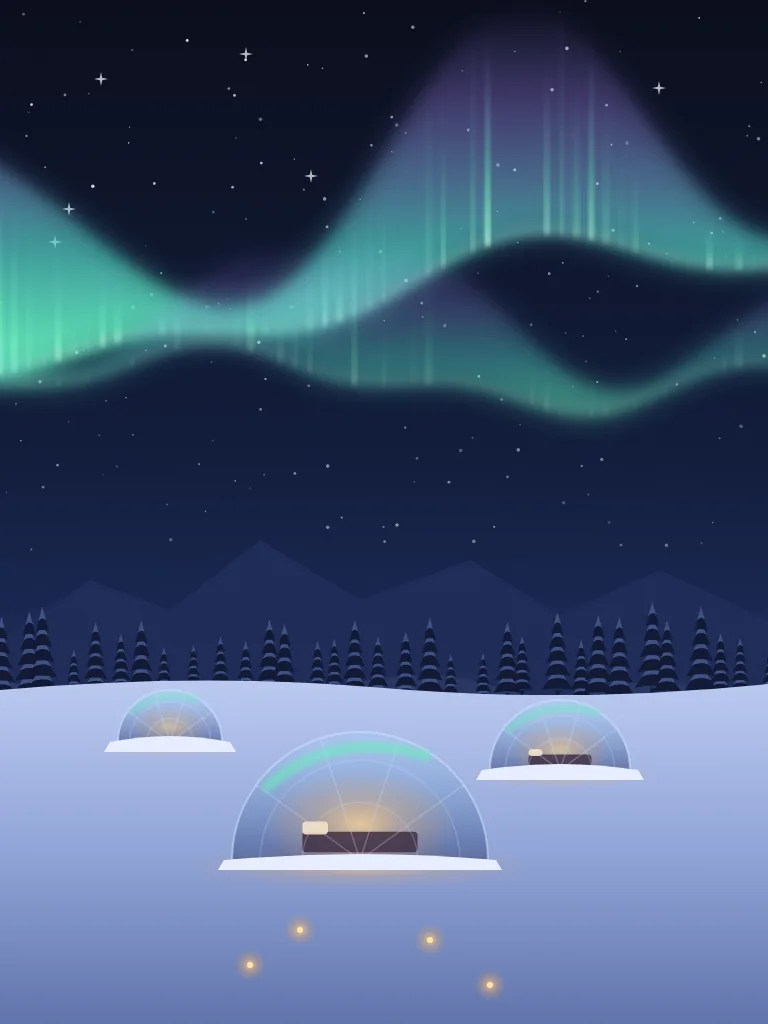
Northern lights from your bed – a tempting promise. When a glass igloo is worth it and when a normal cabin is the better choice.
Contents
This article contains advertising (affiliate) links, marked “Ad”. How we label ads
In short: Glass igloos and aurora cabins are an experience for one or two nights – expensive, often small and booked out early in peak season. Auroras are not guaranteed there either; the glass roof simply makes watching more comfortable. Look for heated glass (against snow and condensation), a dark location without path lighting, an aurora wake-up service and fair cancellation terms. For the whole trip, a normal cabin is usually more relaxed and cheaper. As of October 2026.
What is what?
Operators use the terms loosely. Roughly, there are three types:
| Type | Typical features | Suits |
|---|---|---|
| Glass igloo | Dome with a glass roof, double bed, often a small bathroom; little storage | Couples, one special night |
| Aurora cabin | Wooden cabin with a large glass front or glass roof above the bed, private bathroom, sometimes kitchenette and sauna | Families, two or three nights |
| Snow or ice igloo | A real snow or ice hotel, sleeping bag at sub-zero temperatures, no glass | An adventure night – no aurora from bed |
Glass igloos are found mainly in Finnish Lapland – around Rovaniemi, Levi, Saariselkä and Inari – and occasionally in Swedish Lapland and northern Norway. Which base suits you is covered in Rovaniemi, Levi or Saariselkä? Lapland destinations compared.
Pros
- Auroras without getting dressed: especially handy with children – they can sleep and you wake them only for good activity.
- A special atmosphere: snowfall, stars and moonlight above the bed are memorable even without an aurora.
- Usually remote: many sites lie outside the villages and have less light pollution than a town hotel.
- Comfort in the cold: waiting outside at −25 °C is hard work; in the igloo you watch from the warmth.
Cons
- High price per night – especially at Christmas and during school holidays.
- Little space: suitcases, snowsuits and wet boots do not fit well into a glass dome. Some igloos only have shared bathrooms.
- Outside light: path lighting, neighbouring igloos or car headlights can be a nuisance.
- Bright mornings: without blackout blinds, daylight wakes you early in late winter.
- Clouds: under full cloud cover you see nothing – just like anywhere else.
What does a night cost?
We do not quote prices of individual properties. As a rough guide (as of October 2026, for two people per night, no guarantee):
| Accommodation | Off-peak (Nov, Jan, late March) | Peak (Christmas, school holidays) |
|---|---|---|
| Basic glass igloo | approx. €250–500 | approx. €450–900 |
| Comfort glass igloo or aurora cabin with bathroom | approx. €400–800 | approx. €700–1,500 and more |
| Normal holiday cabin (4 people) for comparison | approx. €120–250 | approx. €200–450 |
Breakfast is often included, sometimes half board or transfers too – so compare the total price. How a night fits into a family budget is shown in What does a family trip to Lapland cost? The cost factors.
What to check when booking
- Heated glass: is the roof heated or coated? Otherwise snow settles on it after snowfall or it fogs up inside.
- Orientation and view: does the glass face north or upwards, without trees or buildings in the way?
- Lighting: are paths dimmed at night, are there blackout blinds for the morning, and can you switch every light off inside?
- Aurora alarm: many sites wake guests by phone, app or bell when the lights appear. Ask how it works.
- Bathroom and space: private bathroom? Room for luggage and drying clothes? How many beds – is an extra bed for a child possible?
- Cancellation and rebooking: what happens if you fall ill or a flight is cancelled? For expensive nights the small print matters.
- Timing within the trip: avoid the first night after a long travel day – you will sleep deeply anyway.
Common mistakes
- Betting everything on one night: if it is cloudy, the highlight is gone. Schedule the igloo mid-trip and combine it with several nights in normal accommodation.
- Expecting a guaranteed aurora: no operator can promise that, and reputable ones say so.
- Too much luggage: leave suitcases in the car or main accommodation and take one bag for the igloo night.
- No plan for the kids: small children wake up, get excited or feel cold on the way to a shared bathroom. Check the layout beforehand.
- Photos through reflective glass: with lights on and the phone held away from the pane you mainly photograph yourself.
Photographing through the glass
- Switch off every light inside, and cover charging LEDs.
- Hold the phone or lens right against the pane, shielding it with a dark jacket if needed.
- Use night mode with the phone resting on something; do not overdo the exposure.
- For the best shots, still step outside briefly – no glass, no reflections.
All settings in detail: Photographing the northern lights with phone and camera – settings that work.
Who is it worth it for?
Yes if you want something special at the end of the trip, for an anniversary or as a family highlight, and you budget for it consciously. Rather not if you want to spend a whole week in an igloo, travel with lots of luggage or have very small children who sleep badly. A cabin in a dark spot with a view north often offers similar aurora chances – you just step outside the door.
More on choosing accommodation with children: Planning Lapland with kids – season, places, activities, clothing. When the nights are longest: Polar night and daylight – how dark is it up north really?.
Checklist for the igloo night
- Check the cloud forecast in the afternoon – if it is clear, check in early
- Activate the aurora alarm, charge your phone
- Warm clothes ready for a quick step outside
- Sleep mask for the morning, earplugs against heating noise
- Snacks and water in case the restaurant is some distance away
- Head torch with red light for the way to the bathroom
Frequently asked questions
TipWill I definitely see auroras from a glass igloo?
No. Auroras need geomagnetic activity, darkness and clear skies. The igloo just makes watching more comfortable. How to judge your chances: Understanding the aurora forecast – Kp index, Bz and clouds.
TipCan you take photos through the glass?
Yes, but reflections get in the way. Turn the lights off and hold the lens close to the glass. More: Photographing the northern lights with phone and camera – settings that work.
SafetyIs it cold inside a glass igloo?
Usually not – igloos and aurora cabins are heated. It can get cold on the way to a shared bathroom or the restaurant.
TimingWhen in winter does a glass igloo make most sense?
From about September to March, when nights are dark enough. December and January have the longest nights; February and March bring brighter days and more snow.
TipGlass igloo with a toddler – does it work?
Usually yes, if a cot or extra bed is possible and the bathroom is inside the igloo. Ask about space and minimum age beforehand.
Read next
Basics
Where and when to see the northern lights
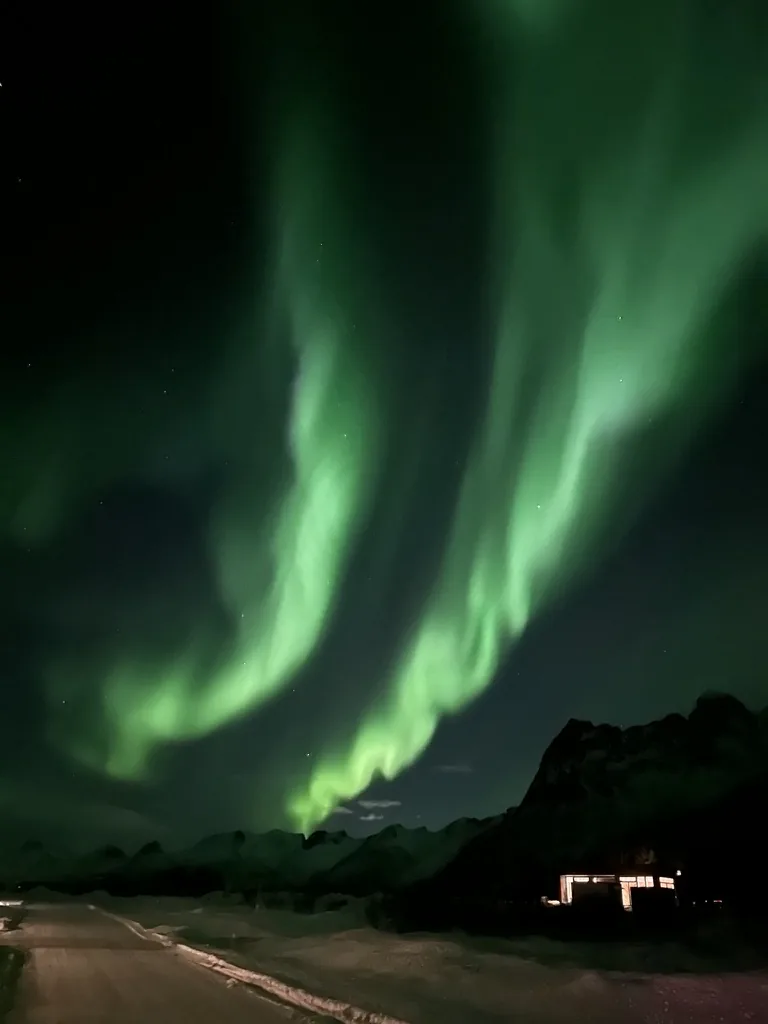
Darkness, clear skies, a bit of solar activity – and the right place. How to plan your chances of seeing the aurora realistically instead of relying on luck.
Trip planning
Planning Lapland with kids – season, places, activities, clothing
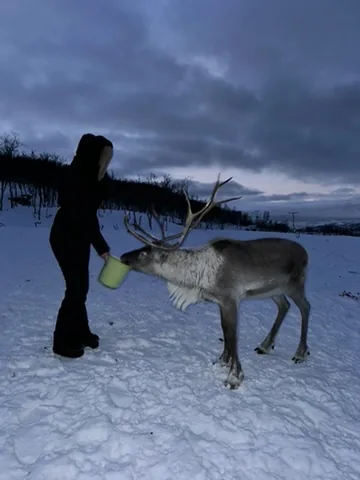
Reindeer, huskies, snow to the horizon – and temperatures where planning matters. What really counts on a Lapland trip with children.
Basics
Understanding the aurora forecast – Kp index, Bz and clouds
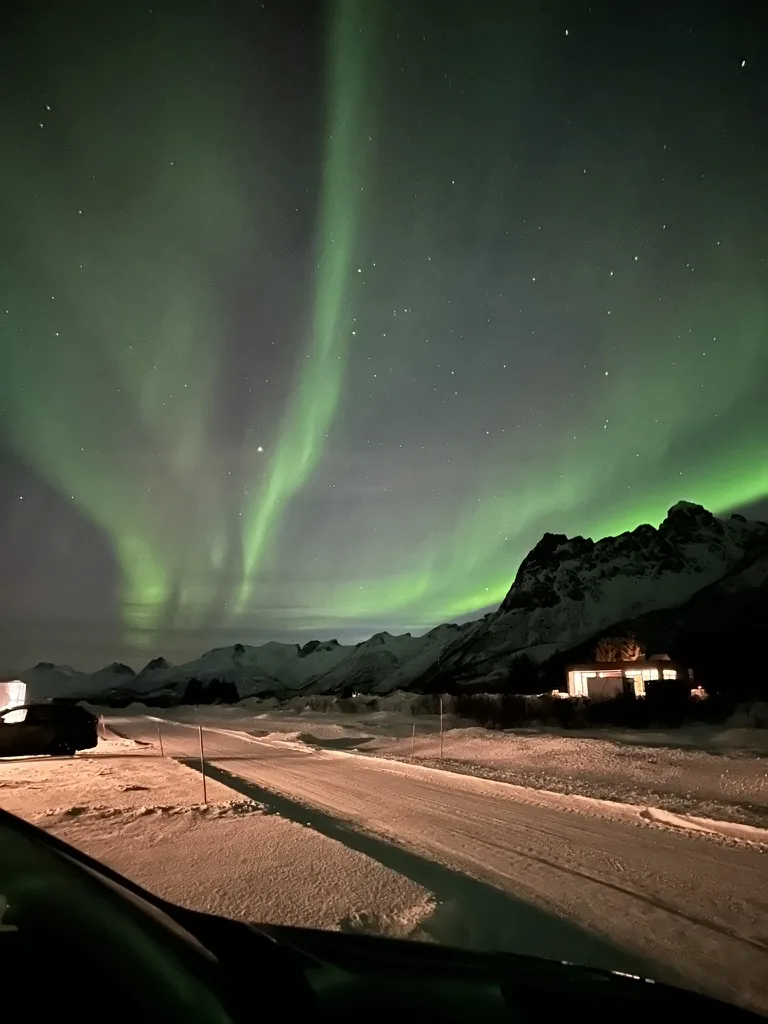
Kp 2, Bz negative, 80 percent cloud – what does that mean for tonight? How to read aurora forecasts without getting lost in numbers.