Destinations
Abisko – northern lights in Swedish Lapland, Aurora Sky Station and how to get there
A village on the shore of a frozen lake, a railway line, a chairlift up a dark mountain. Why Abisko draws so many aurora hunters – and what to know before you book.
Contents
It is just after nine in the evening. The chairlift jolts, the bench beneath you is cold, and a snowy birch forest slides past under your boots. Below lies Lake Torneträsk like a grey sheet, above it nothing but black. Then a pale arc rises in the north that was not there a minute ago.
In this article: why Abisko is considered one of the most reliable aurora spots in Scandinavia, what the Aurora Sky Station costs and when it opens, how to get there by night train or plane – and who should pick somewhere else.
In short: Abisko lies in the national park of the same name, about 100 km west of Kiruna on the Kiruna–Narvik railway. The mountains on the Norwegian border often hold back clouds, so the sky here is clear more often than on the coast. In winter 2026/27 the Aurora Sky Station runs evenings from 19 October to 27 March, 9 pm–1 am, advance booking only. Plan three to four nights. As of October 2026.
Why Abisko? The „blue hole“ in the sky
Westerly winds from the Atlantic bring moisture and cloud to the Norwegian coast. The mountains on the border stand in between like a wall: on their eastern side, right above Abisko, far less rain and snow falls. Locals and tour operators call it the „blue hole“ – a gap in the cloud cover over the valley and Lake Torneträsk.
It is not a guarantee. Abisko also has nights under solid cloud. But with several nights the chance of at least one clear one is good, and at normal activity the auroral oval sits right over the region. How to read forecasts: Understanding the aurora forecast – Kp index, Bz and clouds.
And where do you stand when it starts? Abisko has a very special place for that.
Aurora Sky Station: a chairlift into the dark
The STF Aurora Sky Station sits at about 900 m on Mount Njullá (Nuolja); the summit is around 1,160 m. The lift base is about a 10-minute walk from STF Abisko Turiststation. The chairlift with open two-seat chairs takes 20 to 40 minutes depending on stops. At the top there is a viewing terrace and a heated room, with aurora talks in the evening.
| Option (winter 2026/27) | From | Included |
|---|---|---|
| Chairlift ticket, on your own | 260 SEK | ride up, stay, ride down |
| Night Visit with guide | 1,295 SEK | guided evening, overall and winter boots |
| Northern Lights Dinner | 2,395 SEK | multi-course dinner at the top, overall and boots |
Evening operation: 19 Oct 2026 to 27 Mar 2027, 9 pm–1 am, advance booking only. Daytime operation from 13 Feb 2027. Source: Swedish Tourist Association (STF), as of October 2026. Prices are „from“ prices in Swedish kronor.
Honestly: it is windier and colder at the top than in the valley, and the ride in an open chair takes a while. If you only want to see the aurora, the shore of Torneträsk often works on a clear night. The station is worth it if you want the evening as an experience – and when cloud hangs in the valley but not up top.
What to wear for a night at −25 °C is in our Packing list for −30 °C and the polar night – also with kids.
Getting there: night train, flight or rental car
By night train from Stockholm
The direct night train Stockholm–Abisko–Narvik takes around 17 hours: leave in the evening, cross the Arctic Circle in the morning, arrive in the snow around midday. Abisko has two stops, Abisko Östra (village) and Abisko Turist (in the national park, about 800 m to the STF station and the naturum). Timetables and fares change by season – check SJ and Vy.
By plane to Kiruna
SAS and Norwegian fly direct from Stockholm Arlanda to Kiruna. The airport is about 8 km from the centre. From Kiruna to Abisko:
- Train: around 65 minutes to Abisko, ticket around 120 SEK (as of 10/2026, per Routes North).
- Bus: Kiruna bus station to Abisko Turist around 1 h 15 min (Sweden’s National Parks).
- Car: via the E10, about 100 km. In winter only with experience on snow and ice.
Rental car?
A car gives you freedom when it is cloudy – you can head towards Björkliden or east. But: polar night, reindeer on the road, drifting snow on the E10. For three nights in Abisko you do not need a car; the train stops right by your accommodation.
Coming via Norway? Then Abisko combines well with Tromsø or Narvik – more on that in a moment.
Abisko, Kiruna, Tromsø or Rovaniemi?
| Abisko | Kiruna | Tromsø | Rovaniemi | |
|---|---|---|---|---|
| Weather for auroras | often clearer (rain shadow) | inland, fairly stable | coast, changeable | inland, fairly stable |
| Infrastructure | very small, few places to stay | town, airport | city, many tours | town, many activities |
| Light pollution | very low | high in town | high in town | high in town |
| With kids | quiet, little programme | good | good | very good |
| Without a car | very doable | good | good (tours) | good (tours) |
If you want lots of activities, Tromsø in winter – polar night, northern lights, trips and practical tips or Finnish Lapland suit you better – comparison: Rovaniemi, Levi or Saariselkä? Lapland destinations compared. If you want quiet and a dark sky, Abisko has both.
Common mistakes
- Planning only one night: cloud can stay two nights even in the rain shadow. Three to four nights are realistic.
- Turning up at the Sky Station unannounced: evenings are booking-only, and Dinner and Night Visit places are limited.
- Spare battery in the outer pocket: cold drains batteries fast. Keep a second one close to your body. Phone tips: Photographing the northern lights with phone and camera – settings that work.
- Booking accommodation late: Abisko is small. Reserve early for December and February.
- Expecting to pay cash: the station takes cards, not cash (per STF).
When is the best time?
Auroras are possible in Abisko from late August to April. STF names mid-November to mid-March as the best period. December is almost completely dark but very cold. February and March bring more daylight for snowshoeing and cross-country skiing – and the nights are still long enough. Basics on where and when: Where and when to see the northern lights.
Frequently asked questions
TipAre northern lights guaranteed in Abisko?
No. Abisko often has a clearer sky than the coast, but cloud and low solar activity happen here too. Several nights improve your chances considerably.
TipIs the Aurora Sky Station worth it?
If you want the evening as an experience: yes. For pure aurora chances the lakeshore often does the job on a clear night. Lift ticket from 260 SEK, Night Visit from 1,295 SEK (as of 10/2026).
Getting thereHow do I get to Abisko without a car?
By night train from Stockholm, or fly to Kiruna and continue by train (around 65 minutes) or bus (around 1 h 15 min).
TimingHow many nights should I stay?
Three to four. That gives you room for cloud and time for the national park in daylight.
TipCan I combine Abisko with Norway?
Yes. The railway continues to Narvik, and from there to Lofoten or Tromsø. Our Lofoten route: Lofoten in winter by car – route Svolvær, Henningsvær, Leknes, Reine, Å.
Sources
Read next
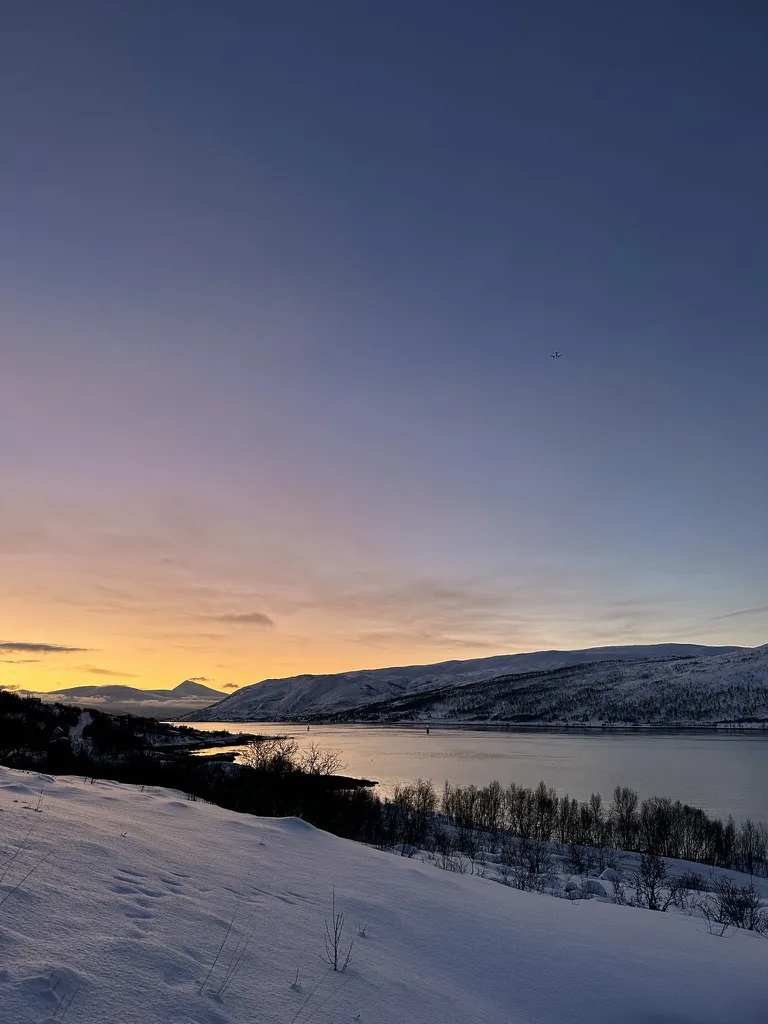
Destinations
Tromsø in winter – polar night, northern lights, trips and practical tips
Northern Norway's largest town is the gateway to the aurora for many. What makes Tromsø special in winter – and how to use the days between the nights.
Destinations
Iceland in winter by rental car – planning, roads, insurance, auroras
We are planning our Iceland trip for winter 2026/27. This is our planning basis – official sources instead of myths. After the trip we will add our own experience and photos.
Destinations
Rovaniemi, Levi or Saariselkä? Lapland destinations compared
Arctic Circle town, ski resort or northern wilderness? The place you choose shapes your Lapland trip more than any single activity.