Destinations
Northern lights in Reykjavík: best spots in and near the city
You don't have to go into the highlands to see the aurora in Iceland. These spots are minutes from Reykjavík – and this is how to read the forecast so you're there at the right time.
Contents
This article contains advertising (affiliate) links, marked “Ad”. How we label ads
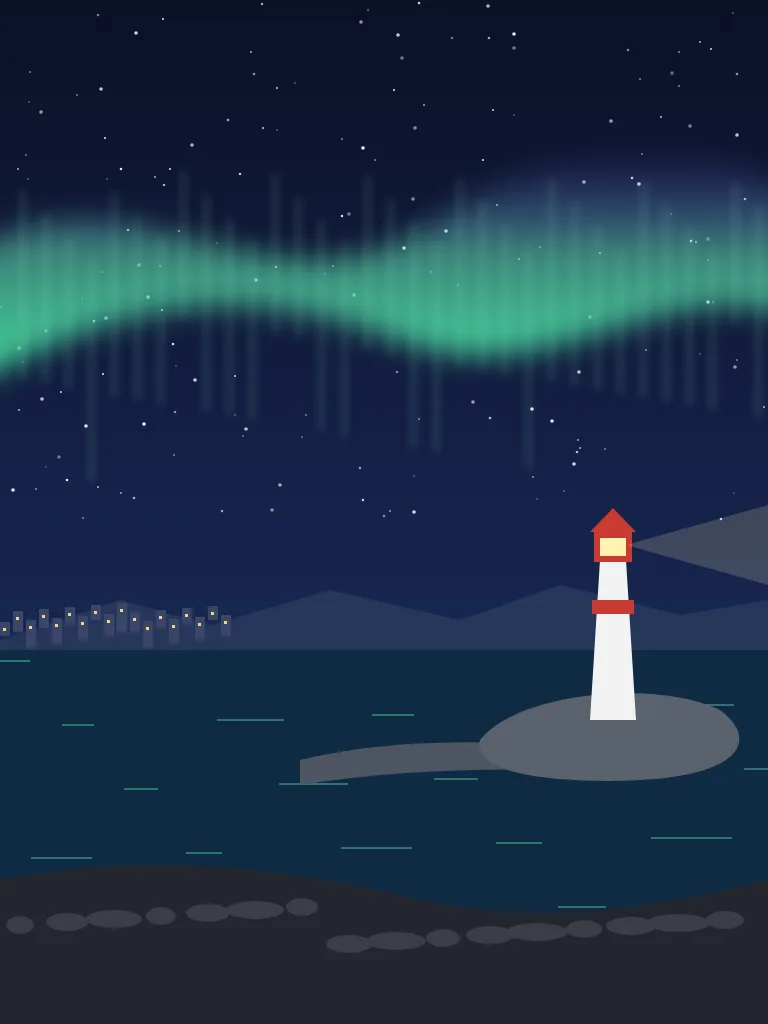
Half past ten, Seltjarnarnes. Behind you the windows of the city glow, in front of you the Atlantic pushes against the stones. The Grótta lighthouse blinks in its rhythm. Over the water hangs a grey veil you first take for a cloud – until it turns green and starts to move.
In this article: the best aurora spots in Reykjavík and nearby with distances, how to read the Icelandic Met Office aurora forecast, whether a tour or a rental car is better – and the mistakes that ruin the night.
In short: Aurora season in Iceland runs roughly from late September to April. In Reykjavík itself, Grótta (about 5 km from the centre) and Öskjuhlíð hill by Perlan are good spots. It gets darker at Hvaleyrarvatn (about 17 km), Kleifarvatn (about 32 km) and Þingvellir National Park (about 44 km, parking ISK 1,000 per car). The key is the cloud map on vedur.is: white = clear. As of October 2026.
Is Reykjavík good enough for the aurora?
Yes – with strong activity even in the middle of the city. Reykjavík lies at about 64° north, and at normal activity the auroral oval often passes over Iceland. The problem is not latitude but light: street lamps, lit buildings, headlights. Faint auroras disappear in it.
The fix: get out of the glow. A few kilometres make a big difference. How the aurora forms and what the Kp index means: Understanding the aurora forecast – Kp index, Bz and clouds.
Where exactly? Here are the spots, sorted by distance.
The best spots in and around Reykjavík
| Spot | Distance from centre | Darkness | Good for |
|---|---|---|---|
| Klambratún (park) | central | low | quick looks during strong activity |
| Öskjuhlíð / Perlan | close to the centre | medium | view over the city, trees as wind shelter |
| Grótta (lighthouse) | approx. 5 km | good for so close | sea, lighthouse in the foreground |
| Elliðaárdalur | approx. 10 km | medium | river valley, footpaths |
| Hvaleyrarvatn | approx. 17 km | good | lake with reflections, near Hafnarfjörður |
| Kleifarvatn | approx. 32 km | very good | lava landscape, hardly any light |
| Þingvellir | approx. 44 km | very good | national park, Almannagjá rift |
Distances rounded, per Guide to Iceland.
Grótta – the seaside classic
Grótta is a small nature reserve at the tip of the Seltjarnarnes peninsula, protected since 1974. The first lighthouse was built in 1897. Important: the island is reached only via a narrow causeway that is submerged at high tide. And from 1 May to 15 July it is closed for nesting birds – not aurora season anyway (Environment Agency of Iceland).
So at night stay on the mainland shore opposite the lighthouse. From there it sits nicely in your foreground.
Öskjuhlíð and Perlan
The wooded hill with Perlan’s glass dome is higher than downtown. On the paths around the top it is darker than below, and you look out over the city lights. Good if you don’t have a car.
Þingvellir – if you want to get out
The national park is a UNESCO World Heritage Site about 44 km from Reykjavík. At night there is almost no artificial light. Parking costs ISK 1,000 per car (up to 5 seats) and is valid all day in all of the park’s car parks. Pay at the machines or online (Þingvellir National Park). At P1 Hakið a camera reads your number plate.
And how do you know if the drive is worth it tonight? A map almost every Icelander knows tells you.
Reading the forecast: vedur.is in three steps
The Icelandic Met Office (Veðurstofa Íslands) publishes its own aurora forecast:
- Activity: top right is a number from 0 to 9 for expected activity at midnight. Level 2 can already be beautiful, level 3 striking.
- Cloud map: green areas are cloud, white areas are clear. You want white over your destination.
- Time: use the slider below the map to step through the hours and see whether a gap opens.
Sunset, darkness and moonrise are shown for Reykjavík. Source: Veðurstofa Íslands, aurora forecast instructions.
Many travellers only look at the activity number. That is the most common mistake – more below.
Tour or rental car?
| Guided tour | Rental car | |
|---|---|---|
| Flexibility | driver hunts for cloud gaps | you decide |
| Winter driving | no risk for you | ice, wind, darkness |
| Cost for two | per person | car + parking + fuel |
| If nothing shows | many operators offer a free retry (check terms) | just go again tomorrow |
An honest comparison of tours: Northern lights tours compared – coach, small group or photo tour?. If you drive: what to know about winter tyres, wind and insurance in Iceland is in Iceland in winter by rental car – planning, roads, insurance, auroras.
Common mistakes
- Only checking the number: activity 5 under full cloud gets you nothing. Cloud map first, then the number.
- Giving up too early: auroras often come in waves. Plan at least one to two hours outside.
- Grótta at high tide: don’t cross the causeway at night – the water comes in faster than you think.
- Phone on auto: you get grey mush. Settings: Photographing the northern lights with phone and camera – settings that work.
- Kleifarvatn on icy roads: the road is demanding in the dark. Only with winter experience.
- Dressing too light: by the sea it is almost always windy. What to pack: Packing list for −30 °C and the polar night – also with kids.
When is the best time?
The season runs roughly from late September to April, darkest from November to early March. Many guides recommend October/November and February/March because driving conditions are often better than in deep winter. The best hours are usually around midnight – but auroras can appear any time between sunset and sunrise. Where and when in general: Where and when to see the northern lights.
Entry & visa – official sites only
Iceland is not in the EU but is part of the Schengen Area. EU citizens need a valid passport or national ID card. The EU Entry/Exit System (EES) has been running since 10 April 2026 and only affects travellers from non-EU countries. According to the EU, ETIAS is currently not in operation and no applications are accepted. As of October 2026.
Beware of scams: intermediary sites often charge many times more for supposed „Iceland entry forms“ or „ETIAS applications“ – for something you don’t need or that doesn’t exist yet. Use only these sites:
- Austrian Foreign Ministry – travel information Iceland (German)
- EU: Entry/Exit System EES
- EU: ETIAS – official site
You’ll find all official links as QR codes in the guide.
FAQ
TipCan you see the northern lights in Reykjavík?
Yes, with clear skies and good activity even in the city. Darker spots like Grótta or Þingvellir greatly improve your chances of seeing faint auroras.
Getting thereWhich spot is best without a car?
Öskjuhlíð by Perlan and the shore at Grótta. Both are easy to reach by bus or taxi.
CostsHow much is parking at Þingvellir?
ISK 1,000 per car with up to 5 seats, valid all day in all of the park’s car parks (as of 10/2026).
TipWhich aurora forecast is best for Iceland?
The Icelandic Met Office forecast on vedur.is – with activity level and cloud map for the whole country.
TimingWhich month is best?
The season runs from late September to April. October/November and February/March are a good compromise between darkness and driving conditions.
RulesDo I need a visa for Iceland?
Not as an EU citizen. A passport or ID card is enough. ETIAS is currently not in operation.
If Iceland has you hooked, read Iceland in winter by rental car – planning, roads, insurance, auroras next.
Sources
Read next
Destinations
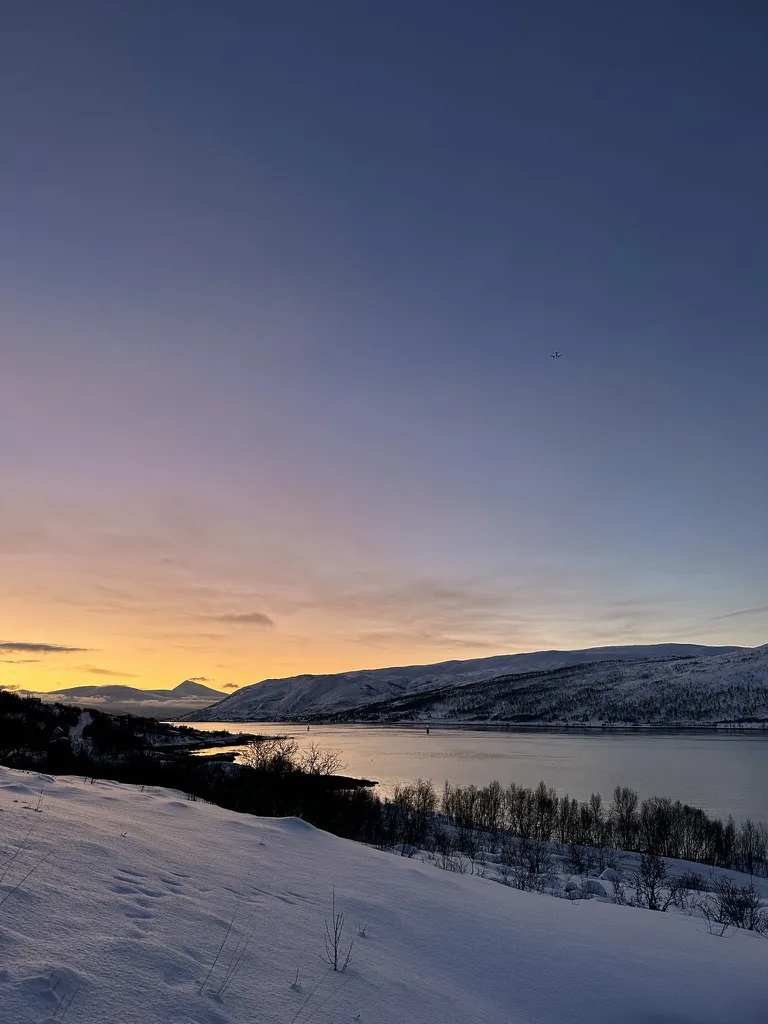
Tromsø in winter – polar night, northern lights, trips and practical tips
Northern Norway's largest town is the gateway to the aurora for many. What makes Tromsø special in winter – and how to use the days between the nights.
Destinations
Iceland in winter by rental car – planning, roads, insurance, auroras
We are planning our Iceland trip for winter 2026/27. This is our planning basis – official sources instead of myths. After the trip we will add our own experience and photos.
Destinations
Rovaniemi, Levi or Saariselkä? Lapland destinations compared
Arctic Circle town, ski resort or northern wilderness? The place you choose shapes your Lapland trip more than any single activity.