Gear
Packing list for −30 °C and the polar night – also with kids
At −30 °C the system matters more than the thickest jacket. Our packing list for aurora trips – ready to tick off.
Contents
This article contains advertising (affiliate) links, marked “Ad”. How we label ads
In short: Pack by the layering principle: a base layer of merino or synthetic fabric, an insulating mid layer and a windproof outer layer. Add mittens, warm boots with room for your toes, a hat, a neck gaiter and microspikes for icy paths. Many tour operators lend thermal overalls and boots – ask about children’s sizes in advance. What matters is not just the temperature but wind, moisture and how long you stand still. As of October 2026.
How cold does it really get?
| Region | Typical daytime values Dec–Feb | Cold spells | Character |
|---|---|---|---|
| Tromsø, Lofoten (coast) | about −6 to +2 °C | rarely below −15 °C | Damp, windy, often sleet |
| Alta, Finnmarksvidda | −5 to −20 °C | −30 °C possible | Dry cold, clearer |
| Rovaniemi, Levi | −5 to −15 °C | −25 to −35 °C possible | Dry cold, calm in the forest |
| Saariselkä, Inari | −8 to −20 °C | below −30 °C possible | Very cold, dry |
| Iceland (south) | about −3 to +3 °C | rarely very cold, but stormy | Wet-cold, very windy |
On the coast, wind and damp often make it feel colder than the thermometer says. Inland the air is dry, but temperatures are much lower.
Clothing: the layering principle
- Base layer: long underwear of merino wool or synthetic fabric – no cotton, which stays damp and chills you.
- Mid layer: fleece, wool jumper or a thin down/synthetic jacket.
- Outer layer: a windproof, warm winter jacket and snow or ski trousers.
Two thinner mid layers beat one very thick one: you can take one off while walking and put it back on while waiting for the aurora. For long nights outside, a big down or synthetic parka that goes over everything works well.
Clothing checklist (per person)
- 2–3 sets of long thermal underwear
- 2 fleece or wool jumpers
- Winter jacket, snow/ski trousers
- Mittens plus thin liner gloves (for operating a camera)
- A hat that covers your ears; neck gaiter or balaclava
- Wool socks (several pairs), boots with some room for the toes
- Microspikes for pavements and car parks
- Comfortable clothes and slippers for the accommodation
- Swimwear (sauna, geothermal baths)
Extras for children
- One-piece snowsuit or jacket plus bib trousers
- Spare gloves and socks (they get wet)
- Balaclava instead of a scarf (safer, does not slip)
- A sledge or carrier for toddlers; pushchairs are impractical in snow
- Small rituals against the cold: a thermos with a warm drink, snacks, warmers in pockets
- Reflectors on jacket and snowsuit – essential near roads in the dark
More on children and cold: Planning Lapland with kids – season, places, activities, clothing.
For the aurora night outside
While waiting for the aurora you barely move – the coldest situation of the whole trip.
- One more layer than for a hike, plus the big parka
- A sit pad or foam mat so you do not sit on snow or rock
- A thermos with hot tea or cocoa
- Warmers in gloves and boots
- A head torch with red light so you do not ruin your night vision
- A hi-vis vest if you are near roads
How to decide when it is worth going out: Understanding the aurora forecast – Kp index, Bz and clouds.
Tech
- Phone, charging cable, power bank (in hand luggage; check your airline’s rules – some ban using them on board)
- Head torch with red light
- Camera, spare batteries, tripod – see Photographing the northern lights with phone and camera – settings that work
- No plug adapter needed in Scandinavia if you come from continental Europe (type C/F); Iceland also uses type C/F – UK travellers need an adapter
- Offline maps on your phone in case coverage is weak in remote areas
Documents and health
- Passport or ID card (children need their own document)
- European Health Insurance Card, travel insurance
- Original driving licence (rental car, snowmobile)
- Lip balm, rich cold-protection cream, sunglasses (snow glare in late winter)
- Personal medication, plasters, blister plasters
- Moisturiser – heating and cold dry out the skin
What you can rent
Many tour operators in Lapland and northern Norway provide thermal overalls, boots, mittens and hats for their excursions. That saves luggage – but only for the duration of the tour. For evenings outside and walks around town you still need your own warm clothing. In Rovaniemi, Levi and Tromsø there are also rental shops offering complete winter sets for several days – ask about prices and children’s sizes.
What you do not need
- Cotton hoodies and jeans as your main clothing – they get damp and cold
- Tight boots – even if lined, toes freeze without room
- An umbrella – useless in coastal wind
- Lots of evening outfits – in Lapland evenings are cosy and warm
Common mistakes
- Gloves instead of mittens: fingered gloves get cold fast at −20 °C.
- Sweating while walking: if you stop while sweaty, you freeze. Remove layers in time.
- Feet packed too tightly: two thick socks in a snug boot cut off circulation.
- Unprotected face: in wind and on snowmobiles or husky sleds, cheeks and nose are most at risk.
- Relying only on rental gear: it usually only covers the tour.
Tick-off checklist (short version)
- ☐ Merino/synthetic base layer
- ☐ 2 mid layers
- ☐ Windproof jacket and trousers
- ☐ Mittens + liner gloves
- ☐ Hat, neck gaiter/balaclava
- ☐ Wool socks, warm boots, microspikes
- ☐ Warmers, thermos
- ☐ Head torch, power bank
- ☐ Documents, health card, driving licence
Frequently asked questions
TipIs a ski jacket enough for Lapland?
For moving around, yes; for long waits at −20 °C and below, often not. Combine it with warm mid layers or rent a thermal overall for tours.
TipWhich boots for −30 °C?
Insulated winter boots with a thick sole and enough room for wool socks and warm insoles. Tight boots mean cold feet.
TipDo you need microspikes?
In towns like Tromsø and on icy car parks microspikes are very useful. They are light and fit in any jacket pocket.
TimingWhat should I wear for the polar night on the coast?
A waterproof, windproof outer layer and warm mid layers – the coast is rarely extremely cold, but often wet and windy. More on the region: Tromsø in winter – polar night, northern lights, trips and practical tips.
Read next
Basics
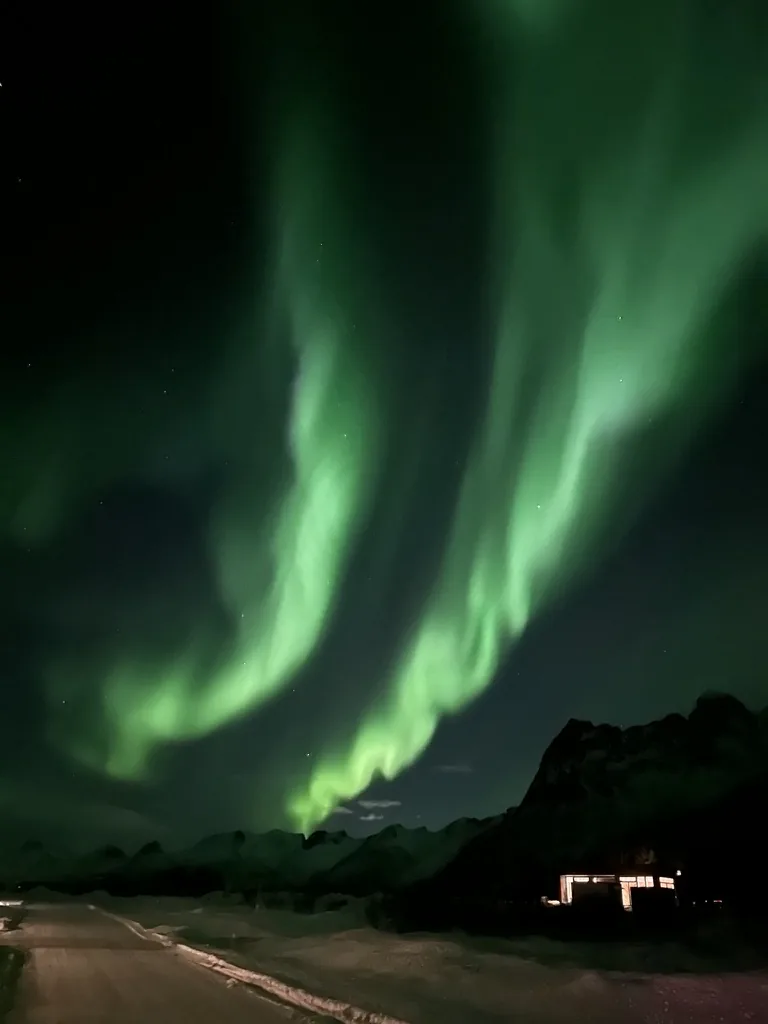
Where and when to see the northern lights
Darkness, clear skies, a bit of solar activity – and the right place. How to plan your chances of seeing the aurora realistically instead of relying on luck.
Trip planning
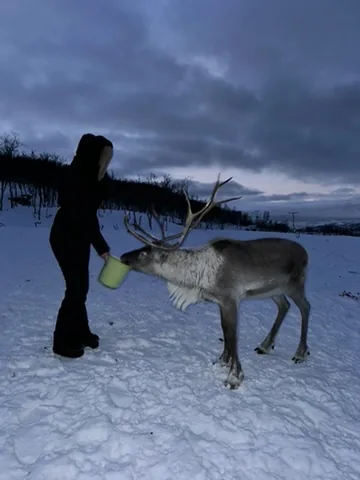
Planning Lapland with kids – season, places, activities, clothing
Reindeer, huskies, snow to the horizon – and temperatures where planning matters. What really counts on a Lapland trip with children.
Basics
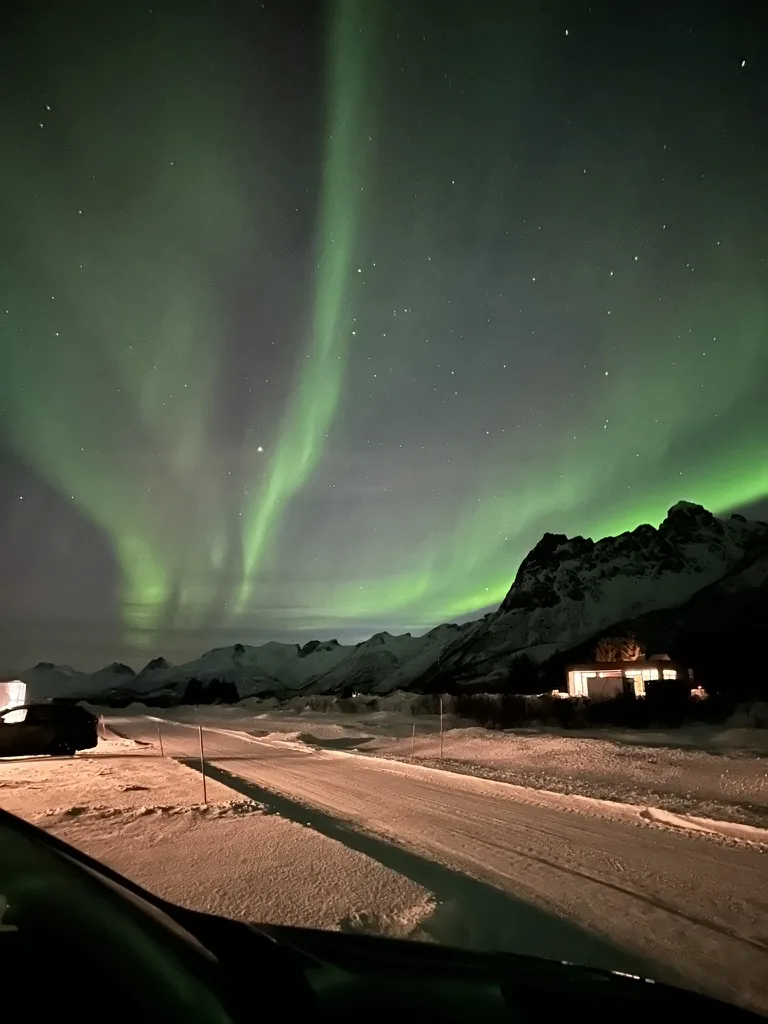
Understanding the aurora forecast – Kp index, Bz and clouds
Kp 2, Bz negative, 80 percent cloud – what does that mean for tonight? How to read aurora forecasts without getting lost in numbers.