Routes
Lofoten in winter by car – route Svolvær, Henningsvær, Leknes, Reine, Å
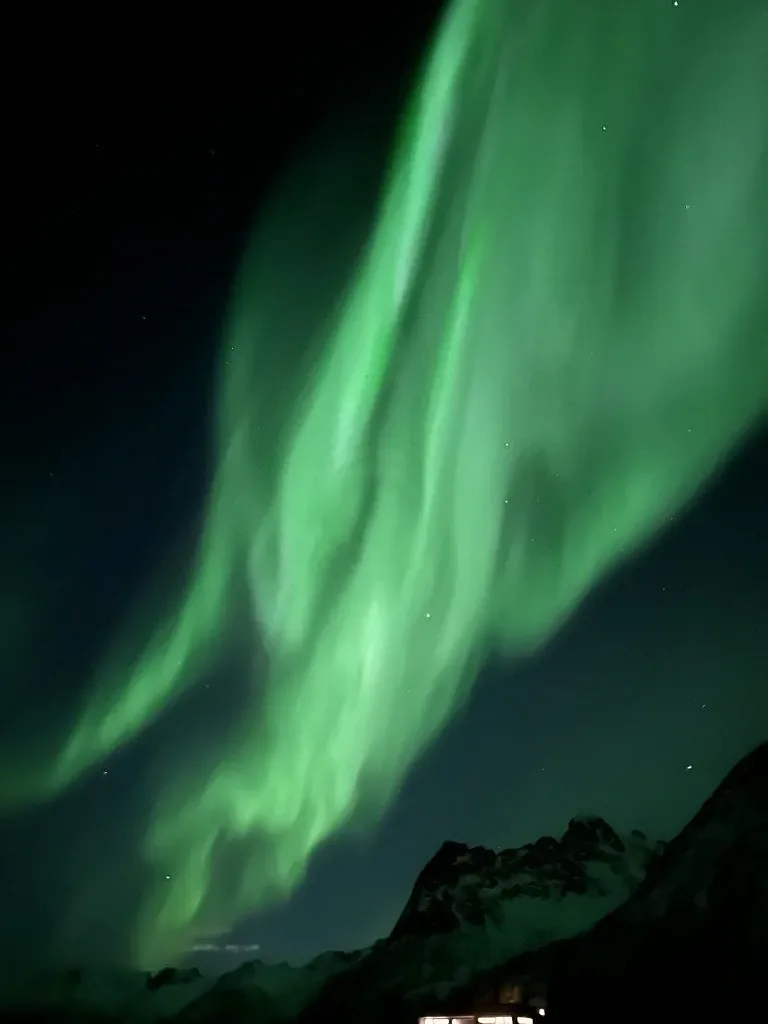
Mountains rising straight from the sea, fishing villages in twilight and auroras above the road. How to plan Lofoten in winter by car – realistically and safely.
Contents
This article contains advertising (affiliate) links, marked “Ad”. How we label ads
In short: Lofoten is easy to explore by car in winter if you allow for studded tyres, short days and changeable weather. The main axis is the E10 from Svolvær to Å – according to travel reports around 130 km and at least 2.5 hours of pure driving without stops. Plan short legs, drive in daylight and never stop on the road for the aurora. As of October 2026.
- 1Bodø
Mainland airport and ferry port. Fly on to Svolvær or Leknes, or take the ferry to Moskenes (around 3.5 hours according to travel reports).
- 2Svolvær (Helle)Flight from Bodø
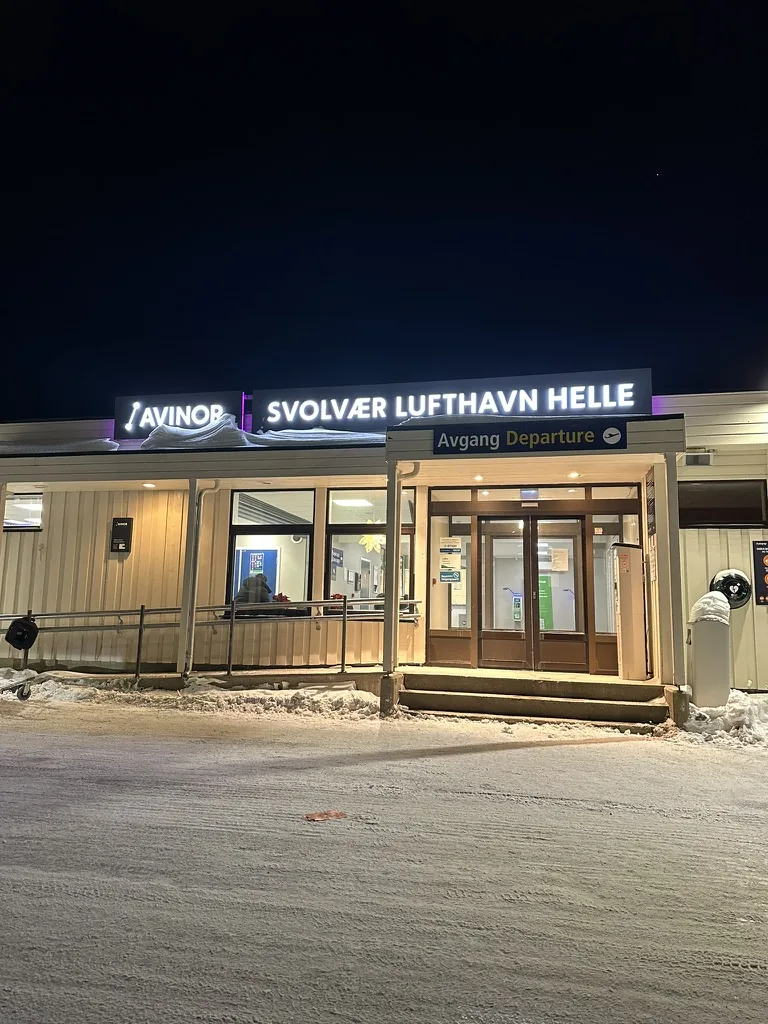
Main town of Lofoten with Helle airport, rental cars, accommodation and restaurants. A good base.
- 3HenningsværDetour off the E10
Fishing village on small islands, reached via bridges. Lovely midday light in December.
- 4LeknesE10 westbound
Second airport and shopping hub in the middle of the islands – handy for supplies.
- 5ReineLeknes – Reine: approx. 60 km, approx. 1 h 10 min
Lofoten's most famous view: red rorbuer below steep peaks.
- 6ÅEnd of the E10
The village at the end of the road. Svolvær – Å: around 130 km and at least 2.5 hours of driving according to travel reports.
Getting there
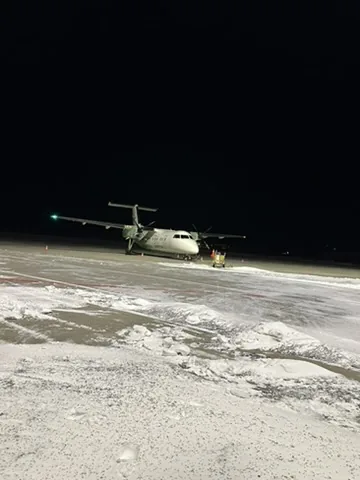
- Fly to Svolvær (Helle) or Leknes – usually with a change in Oslo and/or Bodø. Small aircraft, weather-dependent in winter.
- Fly to Evenes (Harstad/Narvik) and continue by rental car: according to travel reports around 160 km and about 2.5 hours to Svolvær. The E10 mainland connection (Lofast) makes the drive possible without a ferry.
- Ferry Bodø – Moskenes: arrives at the southern end of the island chain; the crossing takes about 3.5 hours according to travel reports. In winter, rough seas can affect the timetable.
The route in detail
Our map above shows the classic axis along the E10. A suggestion for four to six days:
- Svolvær as a base (1–2 nights): arrive, shop, first aurora evening nearby.
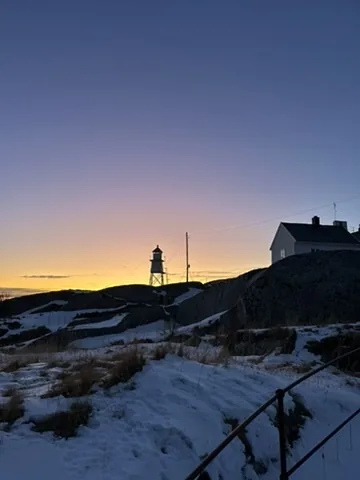
- Henningsvær as a half-day trip – in December best around midday, when the twilight is brightest. All about the famous football pitch: Henningsvær: the football pitch at the end of the world.
- On west via Leknes, stopping at beaches and viewpoints (only at safe car parks).
- Reine and Å (1–2 nights): quiet, dark surroundings – ideal for auroras right outside your accommodation.
Leknes – Reine is around 60 km or 1 hour 10 minutes of pure driving according to travel reports; with photo stops more like two hours. Speeds are often lower in winter.
Day plan for 6 nights in December
| Day | Leg | Use the midday light for | Evening |
|---|---|---|---|
| 1 | Arrive in Svolvær, pick up the car | Shopping, a short walk by the harbour | Aurora check nearby |
| 2 | Svolvær – Henningsvær – Svolvær (approx. 25 km each way) | Fishing village, bridges, twilight photos | Second night in Svolvær |
| 3 | Svolvær – Gimsøy – Leknes | Beaches and the church on Gimsøy, shopping in Leknes | Accommodation in the west, dark surroundings |
| 4 | Leknes – Haukland/Uttakleiv – Flakstad | North-side beaches (safe car parks only) | Aurora on the coast facing north |
| 5 | Flakstad – Hamnøy – Reine – Å | Classic photo spots, end of the E10 | Rorbu in Reine or Å |
| 6 | Buffer day in Reine/Å | Short outings or a rest day, depending on weather | Last aurora chance |
| 7 | Drive back to Leknes or ferry from Moskenes | Drive in daylight | Departure |
In February and March the days are much longer – then two activities per day fit easily.
Accommodation: rorbu, cabin or hotel?
- Rorbu: traditional, mostly red fishermen’s cabins on stilts by the water, now rented out as holiday homes. Atmospheric and often with a kitchen – ideal for two or three nights.
- Hotel in Svolvær or Leknes: short distances, a restaurant, good for the first night after a long journey.
- Holiday house away from the villages: dark and quiet, auroras right outside the door – but you need a car.
Important: many places in the west have limited reception hours in winter. Agree on key handover and arrival time in advance.
Winter rules in Norway
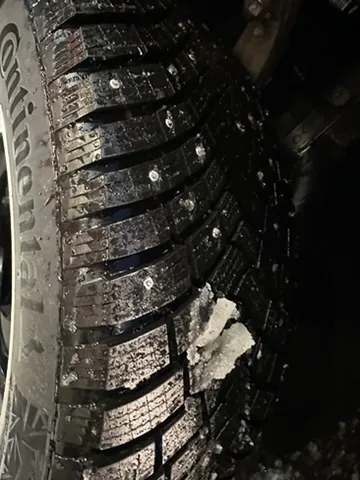
- Tyres: winter tyres are not generally compulsory for cars, but the vehicle must be adequately equipped for snow and ice. According to the Swiss touring club TCS, studded tyres are allowed in Nordland, Troms and Finnmark from mid-October. Rental cars in the north generally have suitable tyres in winter – ask when booking.
- Lights: dipped headlights or daytime running lights are compulsory around the clock.
- Alcohol limit: 0.2 ‰.
- Tolls: many roads and tunnels in Norway are tolled via the AutoPASS system; with rental cars this is usually handled by the rental company.
- Road conditions: current closures and convoy driving are shown by the Norwegian Public Roads Administration at vegvesen.no; by phone on 175.
Auroras on the road
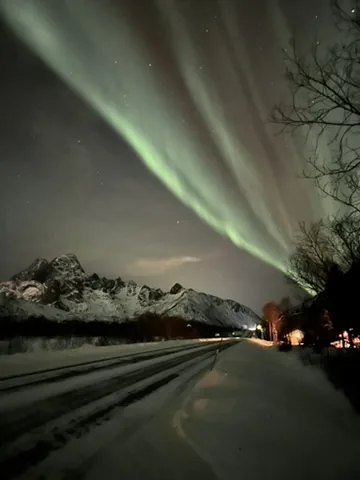
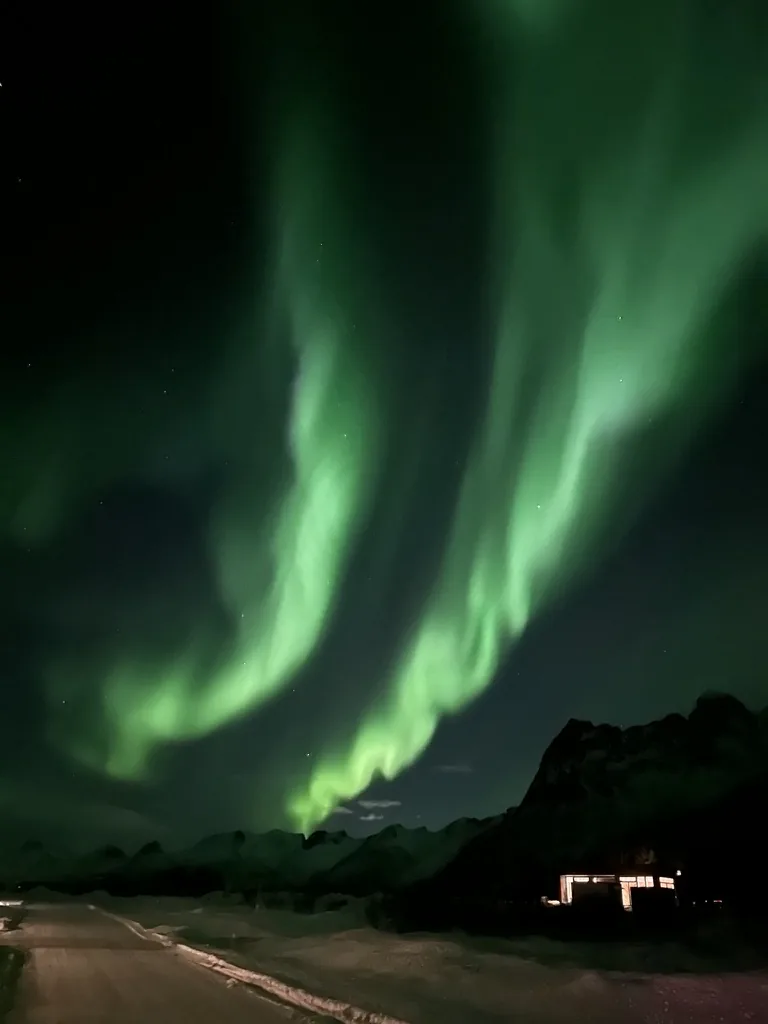
In Lofoten almost every guesthouse is dark enough for auroras. The biggest risk is drivers who brake suddenly or stop on the road when the lights appear. During activity, pull into a safe car park, switch off your lights and keep your hi-vis vest handy. For photography: Photographing the northern lights with phone and camera – settings that work.
Good aurora spots (with safe parking)
- North-facing beaches such as Haukland, Uttakleiv or Skagsanden – clear view north, mountains as a backdrop
- Gimsøy – flat, wide sky, little light
- Around Reine and Hamnøy – spectacular reflections, but often crowded with photographers
- Right at your accommodation – in Lofoten often the best and safest spot
Respect parking bans and private land, and never park in passing places on the E10. How to plan the night: Understanding the aurora forecast – Kp index, Bz and clouds.
Common mistakes
- Too many kilometres per day: with photo stops, legs often take twice as long as the sat-nav says.
- Stopping on the E10 at night: the road is narrow, and passing places are for oncoming traffic.
- Not refuelling: there are few filling stations in the west – fill up in Leknes.
- Ferry without plan B: in rough seas, sailings between Bodø and Moskenes are cancelled. The road via Lofast is the alternative.
- A weather app for just one place: Lofoten is long – the other side of the island may be clear.
Road-trip checklist
- Check road conditions and weather every morning (vegvesen.no, yr.no)
- Tank at least half full, ice scraper and snow brush in the car
- Hi-vis vest, head torch, warm blanket, snacks and water
- Let your accommodation know your arrival time
- Offline maps on your phone
- Packing list for the cold: Packing list for −30 °C and the polar night – also with kids
Frequently asked questions
Getting thereCan you drive in Lofoten in winter?
Yes, the E10 is cleared in winter. Storms, heavy snowfall or avalanche risk can lead to closures or convoy driving. Drive in daylight and check road conditions before every leg.
Getting thereDo you need four-wheel drive in Lofoten?
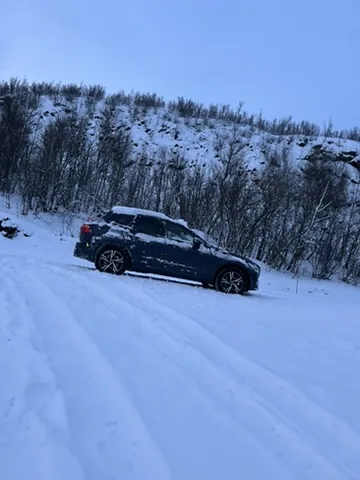
Not necessarily. Good winter tyres (often studded), careful driving and flexibility with the weather matter more. Four-wheel drive helps when pulling away on snowy car parks.
TimingHow many days do you need for Lofoten in winter?
We recommend at least four to five days, so there is enough buffer for weather and aurora nights. With the short days in December you cover less ground per day than in spring.
TimingWhen is it darkest in Lofoten?
From about 7 December to 5 January the sun does not rise above the horizon. There are still several hours of twilight around midday. More: Polar night and daylight – how dark is it up north really?.
Sources
Read next
Routes
Route Tromsø – Nord-Troms – Skjervøy in winter (with ferries)
Fjords, ferries, the Lyngen Alps and very little light – the drive from Tromsø into Nord-Troms is one of Norway's most impressive winter routes. Here's how to plan it.
Basics
Where and when to see the northern lights
Darkness, clear skies, a bit of solar activity – and the right place. How to plan your chances of seeing the aurora realistically instead of relying on luck.
Trip planning
Planning Lapland with kids – season, places, activities, clothing
Reindeer, huskies, snow to the horizon – and temperatures where planning matters. What really counts on a Lapland trip with children.